If you are considering overnight vision correction, it is natural to wonder what to expect at your first ortho-k consultation. The appointment is designed to find out whether ortho-k is safe, suitable and realistic for your eyes, your prescription and your daily routine.
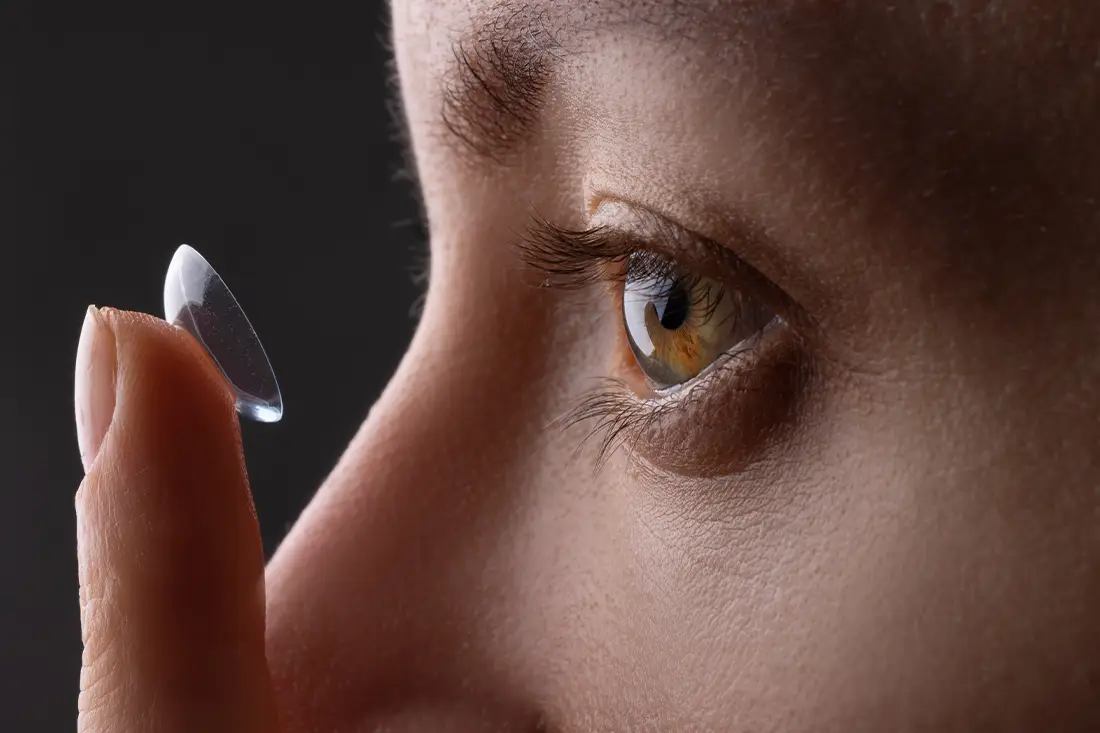
During the initial consultation, your optometrist will usually discuss your vision goals, assess your eye health, measure the front surface of your eye with corneal topography, check your prescription and explain the ortho-k process. If you are suitable, the next stage is lens fitting, ordering custom lenses and planning follow up care.
What is Ortho-K?
Ortho-K, short for orthokeratology, uses specially designed gas permeable contact lenses worn while you sleep. These ortho-k lenses gently reshape the cornea overnight so that, when the lenses are removed in the morning, many people can enjoy clear vision during the day without daytime contact lenses or glasses.
The aim is temporary vision correction. The lenses work by changing the corneal shape in a controlled way, rather than permanently altering the eye. Because the effect is reversible, consistent wear is important. If you stop wearing ortho-k lenses, your vision will gradually return towards its original prescription.
Ortho-k treatment is often discussed for people with low to moderate myopia, some astigmatism and certain lifestyle needs. It may also be considered as part of myopia control for younger patients, where the goal is to help manage myopia progression over time.
Before the Appointment: What to Think About
Your first appointment is more useful when you arrive with a clear idea of what you want from vision correction. You do not need to know every technical detail, but it helps to think about your current challenges with glasses or contact lenses.
- Do you want freedom from daytime eyewear for sport, work or hobbies?
- Do you currently wear soft contact lenses, and are they comfortable?
- Do you struggle with dry eyes when using daytime contacts?
- Is your child becoming more short-sighted each year?
- Are you looking at different vision correction options before deciding?
- Do you have active lifestyles or activities where glasses feel inconvenient?
It is also helpful to bring your current glasses, contact lenses, any lens care products you use and details of your most recent prescription if you have them. If the consultation is for a child, bring any information you have about recent prescription changes, as progressive myopia is an important factor in myopia management discussions.
What Happens During a First Ortho-K Consultation?
Although the exact sequence may vary between practices, a first ortho-k fitting appointment normally follows a structured path. The aim is to understand your eyes in detail before any orthokeratology lenses are ordered.
1. A conversation about your vision and routine
The appointment usually begins with questions about your current vision, prescription history, contact lens experience and daily routine. Your optometrist may ask about work, screen use, sport, driving, sleep patterns and whether you are comfortable handling contact lenses independently.
This is also where your desired vision correction is discussed. For example, some people want sharp unaided distance vision for the working day, while others want better flexibility for sport or outdoor activities. Your expectations matter because optimal vision correction depends on matching the treatment to your eyes and your lifestyle.
2. A comprehensive eye exam
A comprehensive eye exam checks more than your prescription. Your optometrist will assess visual acuity, how well your eyes focus, how they work together and whether there are any signs of eye health issues that could affect lens wear.
Ortho-K is not suitable for every eye. Dry eye, inflammation, allergies, corneal irregularities or certain eye conditions may need to be managed first, or they may mean another option is more appropriate. This is why the suitability check is such an important part of getting started with ortho-k.
3. Corneal topography measurements
Corneal topography is one of the key tests before ortho-k fitting. It creates a detailed map of the front surface of your eye, showing the curves and contours of the cornea. This helps the optometrist understand whether your corneal shape is suitable and provides the measurements needed to design custom lenses.
These maps also become a baseline for future comparison. As the lenses gently reshape the cornea, follow-up scans can show whether the treatment is progressing as expected and whether any adjustments are needed.
4. Prescription and suitability checks
The optometrist will review whether ortho-k lenses can correct refractive errors in your case. Refractive errors include short-sightedness, long-sightedness and astigmatism, although Ortho-K is most commonly associated with myopia correction and myopia control.
People with mild to moderate myopia are often the most straightforward candidates, but suitability depends on more than the number in your prescription. Pupil size, corneal measurements, eye health, motivation, hygiene and ability to attend follow-up appointments all play a role in long term success.
5. Explanation of the lens design and fitting plan
If the early checks suggest Ortho-K could be suitable, the optometrist will explain the lens design, how the lenses work, what the first few weeks may feel like and what your follow-up schedule could involve. This is the point where your ortho-k journey begins in practical terms.
Some appointments may include trial lens assessment, while in other cases your custom lenses are ordered using your measurements. The exact approach depends on your eyes, the fitting system used and the clinical judgement of the practitioner.
How Ortho-K Lenses Feel at First
Because ortho-k lenses are firmer than soft contact lenses, they can feel different when first placed on the eye. This is known as lens awareness, and some people notice mild discomfort on the first night, but it usually settles after a few nights. You may be aware of the lens edges, especially before you close your eyes, but most people find the sensation easier once the eyelids are shut for sleep.
There is usually an adjustment period while you get used to handling, inserting, removing and caring for the lenses. Your practitioner should teach you how to manage the lenses safely and may ask you to practise before taking them home. It is normal to feel unsure at first, but application and removal usually become easier within a few nights. You should not leave your first fitting unsure about hygiene, storage or removal technique.
The most important habits include:
- Washing and drying your hands before touching lenses;
- Using the recommended cleaning and storage products only;
- Never rinsing lenses with tap water;
- Checking each lens for damage before use;
- Following the recommended wearing schedule;
- Contact the practice promptly if you have pain, redness or unusual light sensitivity.
When to Expect Results from Ortho-K
Many patients begin to notice changes after the first night, but the speed and quality of improvement varies. Some patients experience a significant improvement very quickly, while others need several nights or the first few weeks before vision stabilizes.
Early vision can fluctuate. You may have improved vision in the morning before maintaining vision throughout the day as treatment settles, especially during the adjustment period. This is common while the cornea is adapting and the fitting is being refined. Your optometrist may provide temporary daytime glasses or advise limited backup correction while your vision settles.
For some people, daytime vision becomes consistently clear within days. For others, particularly with higher prescriptions or more complex corneal shapes, it can take longer to reach the best result. Regular reviews help confirm whether the lenses are achieving the intended effect and whether a change to the lens design is needed. If you miss a night, the cornea gradually returns toward its natural shape and vision correction can be reduced.
The Benefits of Ortho-K to Discuss
The benefits of ortho-k are often linked to convenience, comfort and lifestyle. Because the lenses are worn overnight, you may be able to avoid daytime contact lenses, daytime contacts or glasses during waking hours. This can be especially appealing for sport, swimming, dusty workplaces or people who find daytime lenses uncomfortable.
For children and teenagers, Ortho-K may also be considered for myopia management. Myopia control aims to slow myopia progression, rather than simply correct blurred vision. This can be particularly relevant for younger patients whose short-sightedness is increasing year after year.
However, Ortho-K is still contact lens wear. It requires excellent hygiene, reliable routines and commitment to reviews. The consultation should give you a balanced view of both benefits and responsibilities before you decide whether to proceed.
Common Reasons Ortho-K May Not Be Suitable
Not everyone is an ideal candidate, and a responsible consultation should make this clear. Ortho-K may not be recommended if the likely outcome does not match your desired vision correction or if there are safety concerns.
- Your prescription may be outside the ideal treatment range.
- Your corneal shape may not be suitable for predictable reshaping.
- You may have dry eyes, inflammation or allergies that need treatment first.
- You may be unable to manage lenses independently or maintain hygiene reliably.
- Your work or sleep routine may make consistent wear difficult.
- Your visual demands may require another form of correction.
If Ortho-K is not the best option, your optometrist can explain alternatives such as spectacles, soft contact lenses, specialist daytime lenses or other vision correction options.
What Follow-Up Care Usually Involves
Follow up care is a key part of the ortho-k journey. Your first review often takes place soon after you start wearing the lenses, sometimes after the first night or within the first few days, depending on the fitting plan, and visits may be more frequent in the initial weeks to monitor vision changes and make necessary adjustments. You may be asked to attend with the lenses in your eyes, or after removing them, so the practitioner can assess the fit and effect accurately.
Follow-up appointments can include visual acuity checks, corneal topography, lens fit assessment and eye health checks. The practitioner will look for comfort, centration, corneal response and whether the lens is delivering the desired correction. If needed, the lens design can be modified. As your vision stabilises, appointments are usually spaced further apart.
These visits are not just a formality. Regular check-ups help reduce risk, improve comfort and support long term success. They also give you a chance to ask questions about handling, cleaning, wear time or any changes in your vision.
Questions to Ask at Your Appointment
A good consultation should leave you feeling informed, not rushed. Consider asking:
- Am I a suitable candidate for Ortho-K based on my prescription and cornea?
- What level of clear vision is realistic in my case?
- How many hours will I need to wear the lenses overnight?
- What should I expect during the first few weeks?
- Will I need backup glasses or contact lenses while adapting?
- How often will follow-up appointments be needed?
- What symptoms mean I should stop lens wear and seek advice?
- How does Ortho-K compare with other options for myopia management?
FAQs
What Happens During a First Ortho-K Consultation?
An ortho-k consultation usually includes a discussion about your symptoms, prescription history, lifestyle and goals, followed by eye health checks, visual acuity testing and corneal topography. The optometrist assesses whether ortho-k treatment is suitable, explains the fitting process and outlines the next steps if custom lenses are appropriate.
How Long Does an Ortho-K Consultation Take?
The length can vary depending on your prescription, eye health and whether extra measurements are needed. Specialist appointments for this type of contact lens fitting are often longer than a standard check because the practitioner needs time to assess suitability, take measurements and explain lens care.
Is Ortho-K Suitable for Children and Adults?
Ortho-K can be suitable for both children and adults, but suitability depends on prescription, corneal shape, eye health, hygiene and lifestyle. For younger patients with progressive myopia, it may be discussed as part of myopia management. Adults may consider it if they want freedom from daytime eyewear and are comfortable with overnight lens wear.
When Will I Start to See Results from Ortho-K?
Some people notice improved vision after the first night, while others improve gradually over several days or weeks, and full correction may take longer depending on your prescription and corneal response. It is normal for vision to fluctuate early on. The aim is for vision stability with consistent wear, but the exact timeline depends on your prescription, corneal response and the lens fit.
What Tests are Needed Before Being Fitted for Ortho-K Lenses?
Before fitting, you will usually need a comprehensive eye exam, prescription check, eye health assessment and corneal topography. Depending on your eyes, the practitioner may use additional diagnostic technology to examine the cornea and wider eye health before deciding whether Ortho-K is appropriate.
Do I Need Follow-up Appointments After My First Ortho-K visit?
Yes. Follow-up care is essential to monitor comfort, lens fit, corneal response, eye health and visual outcomes. These appointments help confirm that the lenses are safe, centred and provide the expected correction. They also allow adjustments if your vision or comfort is not where it should be.
Final Thoughts
Your first Ortho-K consultation is not just about ordering lenses. It is a careful assessment of your eyes, your prescription and your routine. By the end, you should understand whether Ortho-K is suitable, what results are realistic, how the lenses should be worn and what support you will need during the early stages.
If you are exploring Ortho-K or myopia management, Bromley Eye Centre can help you understand your options with specialist eye care, corneal topography and detailed contact lens fitting. To learn more, visit our Ortho-K and contact lenses service page or contact our team for guidance.